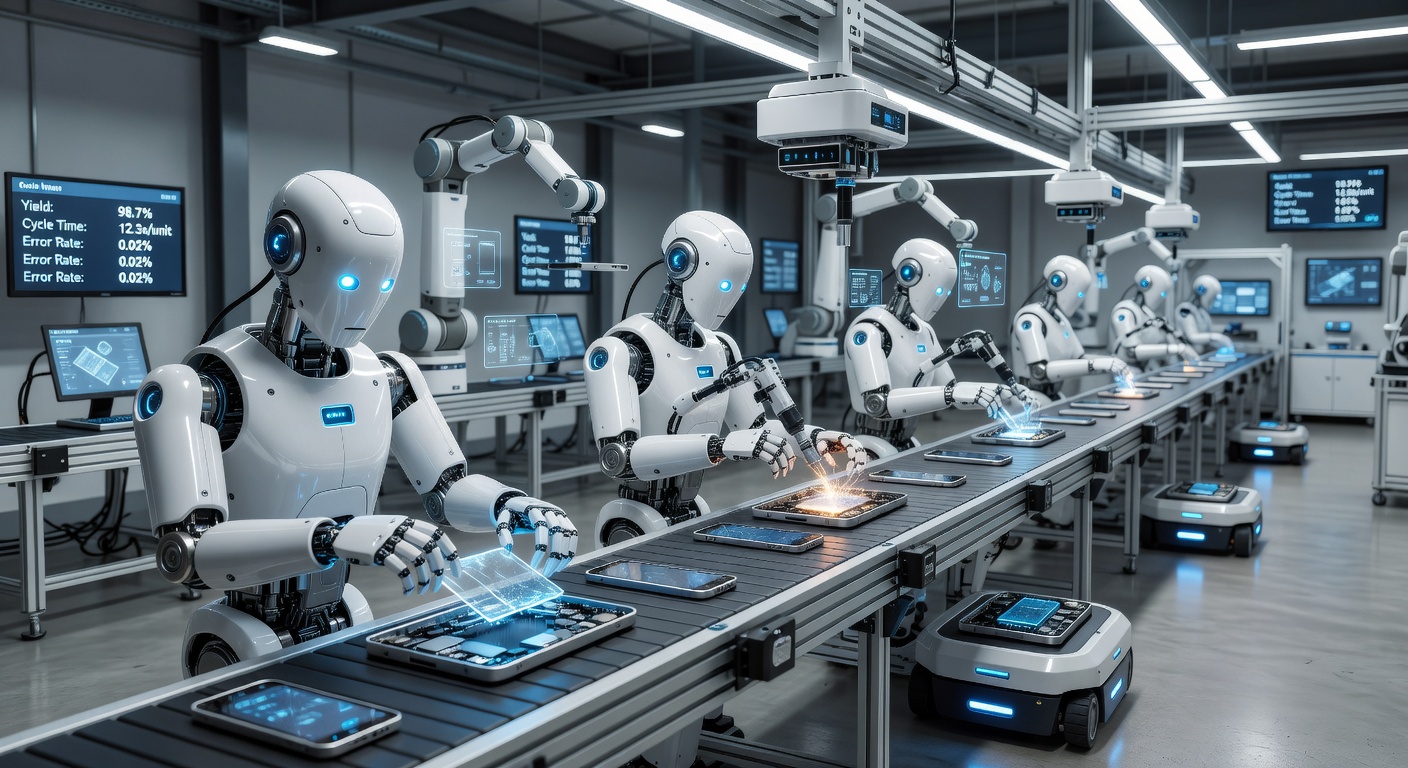
Humanoid Robots Are Leaving the Lab — and Entering the Factory
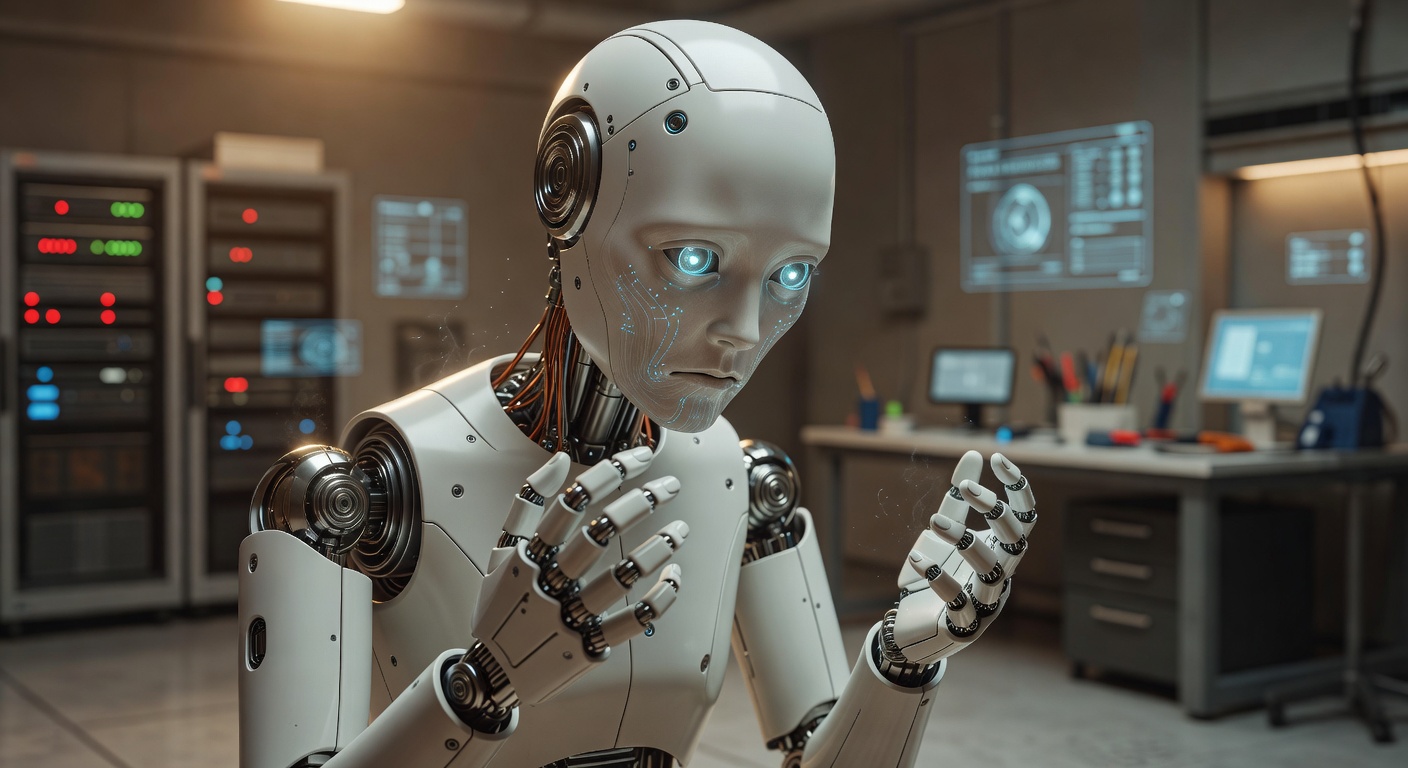
For decades, humanoid robotics existed as a perpetual promise — endlessly impressive in demos, endlessly disappointing in deployment. That era is over. In 2026, humanoid robots are clocking real shifts alongside human workers in automotive plants, fulfillment centers, and hospital wings across four continents.
The inflection point came not from a single breakthrough but from the convergence of three technologies: foundation model reasoning, tactile sensing at human-fingertip resolution, and energy-dense solid-state batteries enabling 14+ hours of untethered operation. When all three matured simultaneously, the humanoid economics suddenly made sense.
Boston Dynamics, Figure, 1X Technologies, and a dozen Chinese competitors are now shipping at scale. The question is no longer "can robots do this?" — it's "how do we govern a workforce that never tires, never strikes, and costs $8 per hour to operate?"
Humanoids deployed
Cost per hour
Battery life
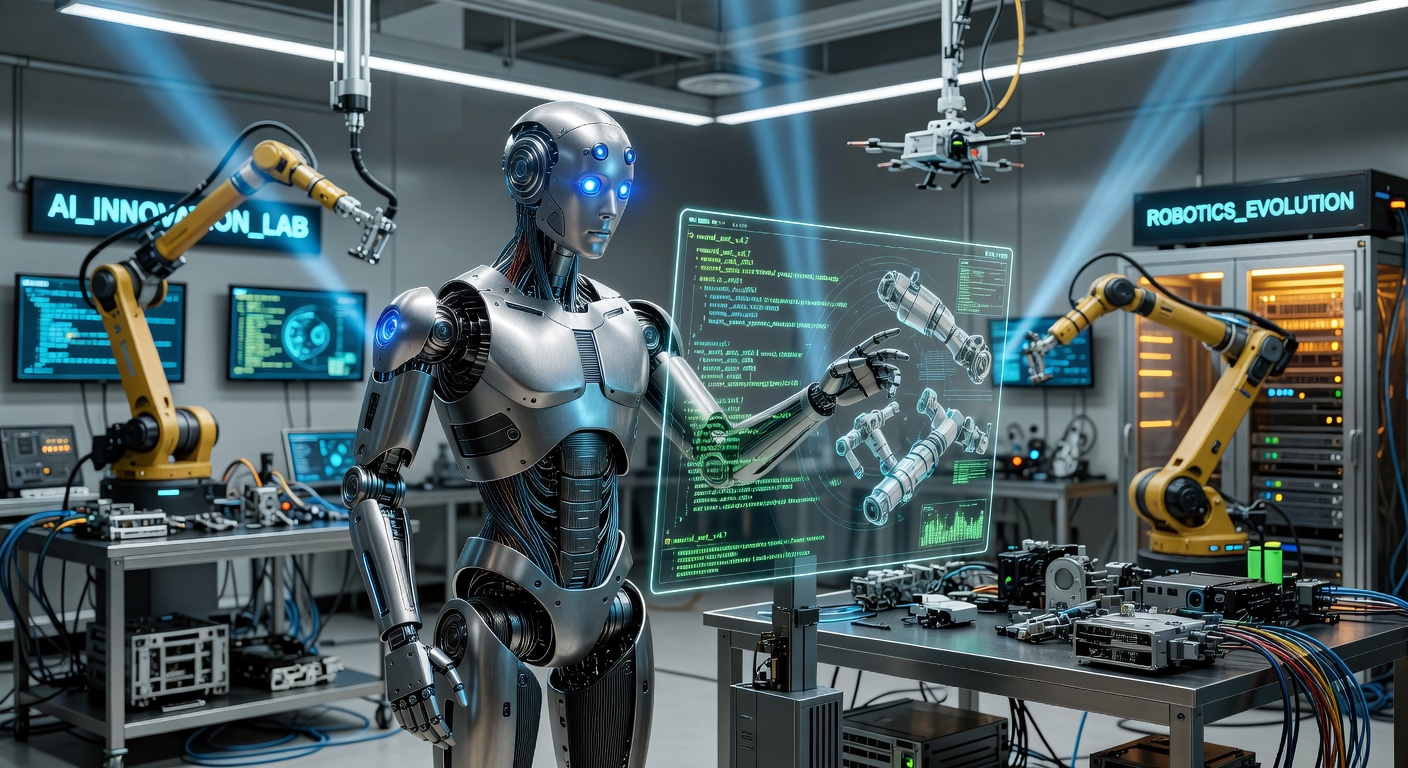
- Full-body dexterous manipulation with 32-DOF hands
- Real-time natural language instruction following
- Zero-shot generalization to novel factory layouts
- Human-safe co-working certified in 18 countries